
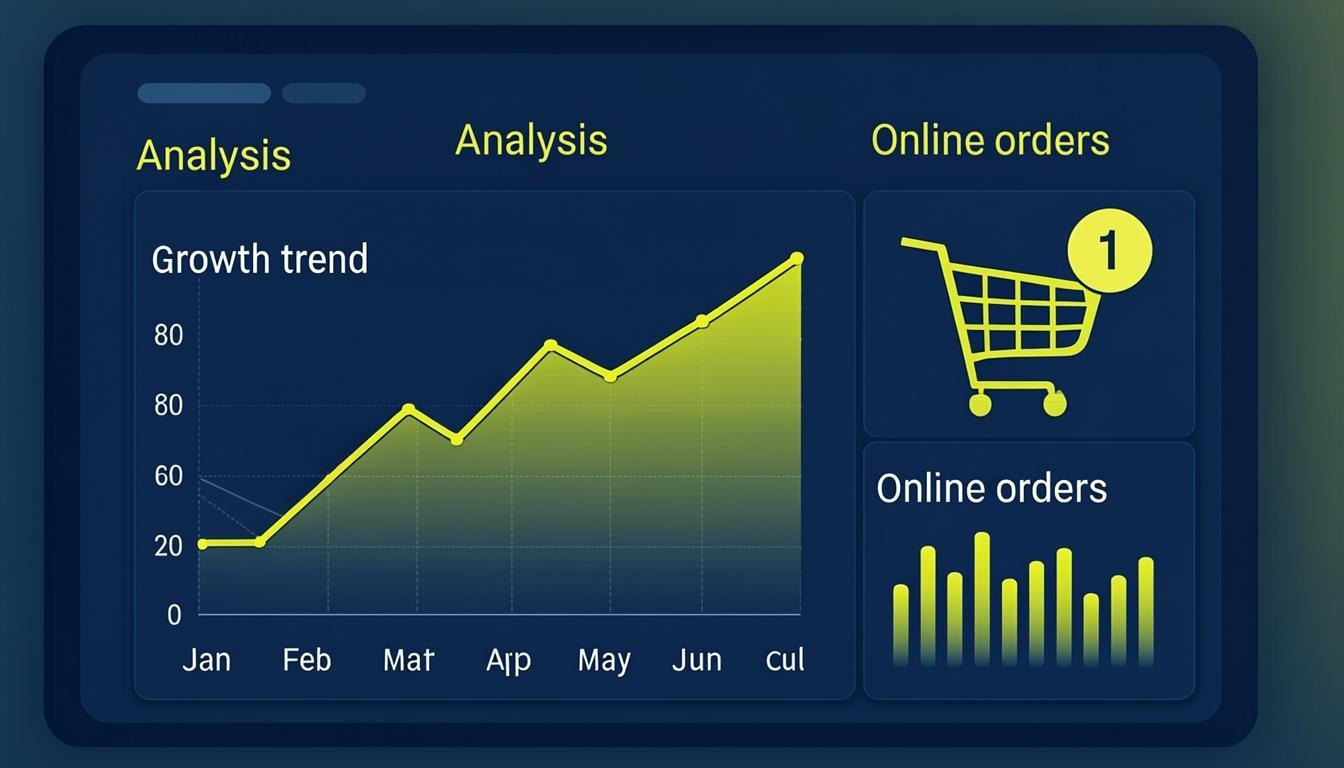
The e-commerce landscape is experiencing a seismic shift. With internet penetration continuing to rise and a digitally-native consumer base growing rapidly, the opportunity for online businesses has never been bigger. Yet most e-commerce stores still struggle to turn traffic into revenue. In this playbook, we break down exactly what it takes to build and scale a profitable online store in today's competitive digital landscape.
The State of E-Commerce in 2026: A Market Ready to Explode
The global e-commerce sector has grown at a compound annual growth rate (CAGR) of approximately 25-30% over the past five years. The market continues to expand, with projections showing no signs of slowing down. The pandemic accelerated digital adoption, but the momentum hasn't slowed — it has matured.
Several factors are fueling this growth. Mobile internet usage has surged worldwide, with billions of smartphone users transacting online daily. Digital payment infrastructure has improved dramatically through platforms like Stripe, PayPal, Apple Pay, and a growing suite of fintech solutions. Social commerce — buying directly through Instagram, Facebook, and other platforms — has become a massive channel, particularly for fashion, beauty, and home goods.
But here's the critical point: growth in the market doesn't automatically mean growth for every individual business. The brands that win in 2026 will be those that treat e-commerce as a system, not just a storefront.
Why Most E-Commerce Stores Fail (And How to Avoid It)
After building and auditing dozens of e-commerce stores for businesses of all sizes, we've identified the same patterns of failure repeatedly. Understanding these pitfalls is the first step toward avoiding them.
1. Treating the Website Like a Digital Brochure
Most brands build a website, upload product images, and expect orders to roll in. But an e-commerce store is a conversion machine — every page, every button, every piece of copy needs to guide the visitor toward a purchase. If your product pages don't address customer objections, answer questions about sizing and shipping, and build trust, visitors will bounce.
2. Ignoring Mobile-First Experience
Over 80% of web traffic now comes from mobile devices. If your store isn't optimized for mobile — and we mean truly optimized, not just "responsive" — you're losing the majority of your potential customers. Slow loading times, tiny text, complicated checkout flows, and poor image rendering on mobile screens are conversion killers.
3. No Clear Value Proposition
When a customer lands on your store, they should understand within 5 seconds what you sell, why it's different, and why they should trust you. Most stores fail this test because they try to sell everything instead of focusing on a specific niche and owning it.
4. Abandoning Customers After the First Sale
Acquiring a new customer costs 5-7x more than retaining an existing one. Yet most stores pour all their budget into paid ads and have zero strategy for repeat purchases, upsells, or customer lifetime value.
Choosing the Right Platform: Shopify vs WooCommerce vs Custom
The platform you choose shapes everything about your e-commerce experience. Here's an honest comparison based on our experience deploying stores across all three options for clients across industries.
Shopify is the best choice for most businesses. It's managed, secure, and scales effortlessly. The monthly cost (starting at ~$39/month) is easily justified by the time saved on maintenance. Shopify integrates seamlessly with leading payment gateways and accepts payments in USD ($), EUR (€), and GBP (£) out of the box. For brands in early to mid-stage growth, Shopify is almost always the right call.
WooCommerce (built on WordPress) gives you more control and has no monthly subscription fee, but it requires technical expertise to maintain. Server management, security updates, plugin conflicts — these become real headaches. WooCommerce is ideal for businesses with in-house developers or those who need deep customization that Shopify themes can't provide.
Custom solutions are appropriate only for enterprise-level operations doing significant transaction volumes or businesses with unique requirements (complex subscription models, B2B wholesale portals, multi-vendor marketplaces). At Infinity Binary, we build custom e-commerce solutions using Next.js and headless commerce, but we always start by asking: does the client actually need this?
Payment Gateway Integration: Getting It Right
Payment friction is the single biggest reason shoppers abandon carts. The good news? The landscape has improved dramatically.
Stripe and PayPal remain the gold standard for most online stores, offering seamless checkout experiences across all devices and supporting payments in USD ($), EUR (€), and GBP (£). Together, these two gateways handle the vast majority of digital transactions globally. Integrating them is non-negotiable.
Apple Pay and Google Pay have become essential for mobile-first stores. One-tap checkout dramatically reduces friction and boosts conversion — especially on mobile devices where typing card details is cumbersome.
Buy Now, Pay Later (BNPL) options like Klarna, Afterpay, and Affirm are rapidly gaining traction and can significantly increase average order values, particularly for higher-ticket items.
For international reach, ensure your store supports multi-currency pricing. Customers who see prices in their native currency — whether USD ($), EUR (€), or GBP (£) — are significantly more likely to complete a purchase. Shopify Markets and similar tools make this straightforward to implement.
Logistics and Delivery Optimization
Logistics can make or break your e-commerce business. The last-mile delivery experience directly impacts customer satisfaction and repeat purchase rates.
Work with established logistics partners and fulfillment providers appropriate to your target markets. Whether you're shipping domestically or internationally, the key is reliability, transparency, and speed.
Critical logistics optimizations include:
- Real-time tracking — Integrate shipment tracking into your store so customers can check order status without contacting support
- Multiple delivery options — Offer standard, express, and where possible same-day delivery in major metros
- Warehousing strategy — Consider distributed inventory or partnerships with fulfillment centers to reduce delivery times across regions
- Returns management — Have a clear, hassle-free return policy and process. It builds trust and reduces customer service overhead
Customer Retention: The Real Growth Engine
Most e-commerce businesses obsess over acquiring new customers while their existing customer base silently churns. Here's the truth: the brands that dominate in 2026 will be those that build retention systems from day one.
Email Marketing That Works
Email marketing has a bad reputation because most brands do it wrong — blasting generic promotions to purchased lists. Done properly, email is still the highest-ROI marketing channel available. Build your list organically through checkout opt-ins and lead magnets. Segment by purchase history, browse behavior, and engagement level. Send personalized product recommendations, abandoned cart reminders, and post-purchase follow-ups.
Loyalty Programs
A well-designed loyalty program can increase customer lifetime value by 25-40%. A points-based system where customers earn rewards for purchases, reviews, and referrals works well across most verticals. The key is simplicity — customers should understand the program instantly and see tangible value quickly.
Messaging & Chat Commerce
Real-time messaging is now an expected support channel for online shoppers. Building a messaging-based retention strategy — order updates, personalized recommendations, exclusive drops — can drive significant repeat business. Use business messaging APIs to automate and scale this without losing the personal touch.
Case Study: How We Helped a Fashion Brand Scale to $1M/Month
One of our e-commerce clients, a fashion brand specializing in contemporary women's wear, came to us with a functional Shopify store generating solid monthly revenue. Their primary challenges: high cart abandonment, low repeat purchase rate, and dependence on paid social for all traffic.
Over six months, we implemented a comprehensive growth strategy:
- Redesigned the checkout flow — Reduced steps from 5 to 3, added one-click payment options, and implemented a trust-building guarantee section
- Built a segmented email marketing system — Welcome series, abandoned cart automation, post-purchase follow-ups, and monthly curated collections
- Launched a loyalty program — "Style Points" system with exclusive early access to new collections for members
- Optimized for mobile — Improved page speed from 6.2s to 2.1s, redesigned product pages for thumb-friendly navigation
- Integrated live chat and messaging automation — Automated order confirmations and personalized restock notifications
The results: monthly revenue grew by 10x within six months. Cart abandonment dropped from 78% to 52%. Repeat purchase rate increased from 12% to 38%. Customer acquisition cost decreased by 35% because retention reduced reliance on paid acquisition.
Getting Started: Your 2026 E-Commerce Checklist
- Choose the right platform (Shopify for most brands)
- Integrate leading payment gateways (Stripe, PayPal, Apple Pay) with multi-currency support for USD ($), EUR (€), and GBP (£)
- Partner with reliable logistics providers and offer real-time tracking
- Optimize every page for mobile — speed, usability, and conversion
- Build an email list from day one with a welcome automation series
- Implement a loyalty program to drive repeat purchases
- Use messaging tools for customer communication and retention
- Track the right metrics: conversion rate, AOV, CLV, repeat rate — not just traffic
Ready to Build a Store That Actually Sells?
The e-commerce opportunity is massive, but it rewards preparation over hype. At Infinity Binary, we've built and scaled e-commerce stores for brands across fashion, food, electronics, and home goods. We don't just build websites — we build revenue machines.
If you're ready to launch a new store or transform an existing one, let's talk about your e-commerce growth strategy. Our team will audit your current setup, identify the biggest opportunities, and build a roadmap to scale.